
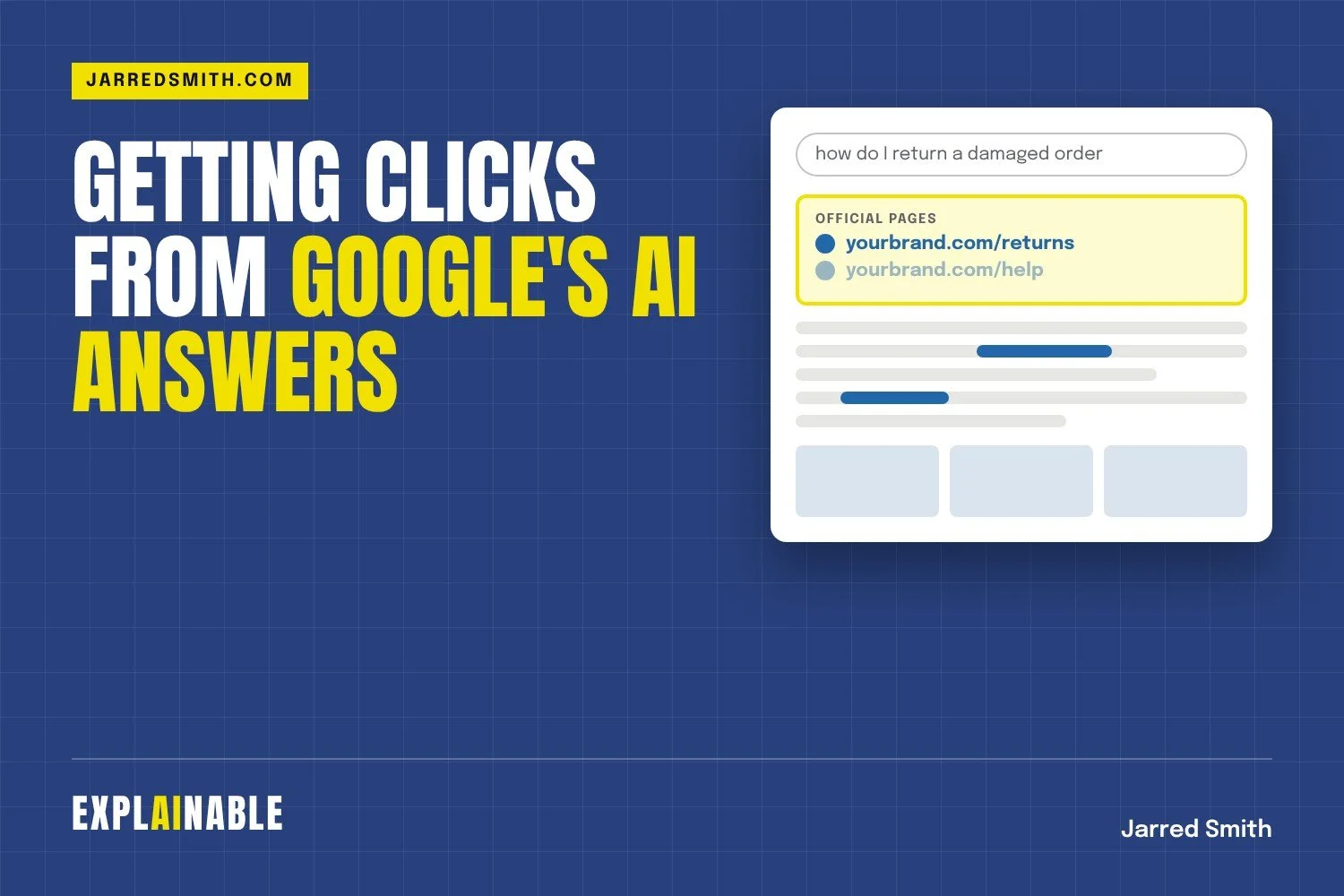
How to Get Clicks From AI Overviews and AI Mode Now That Google Is Adding More Links
Google is adding more links to AI Overviews and AI Mode. Here’s which of those links a brand can earn, what the click data says so far, and what I’d do about it.
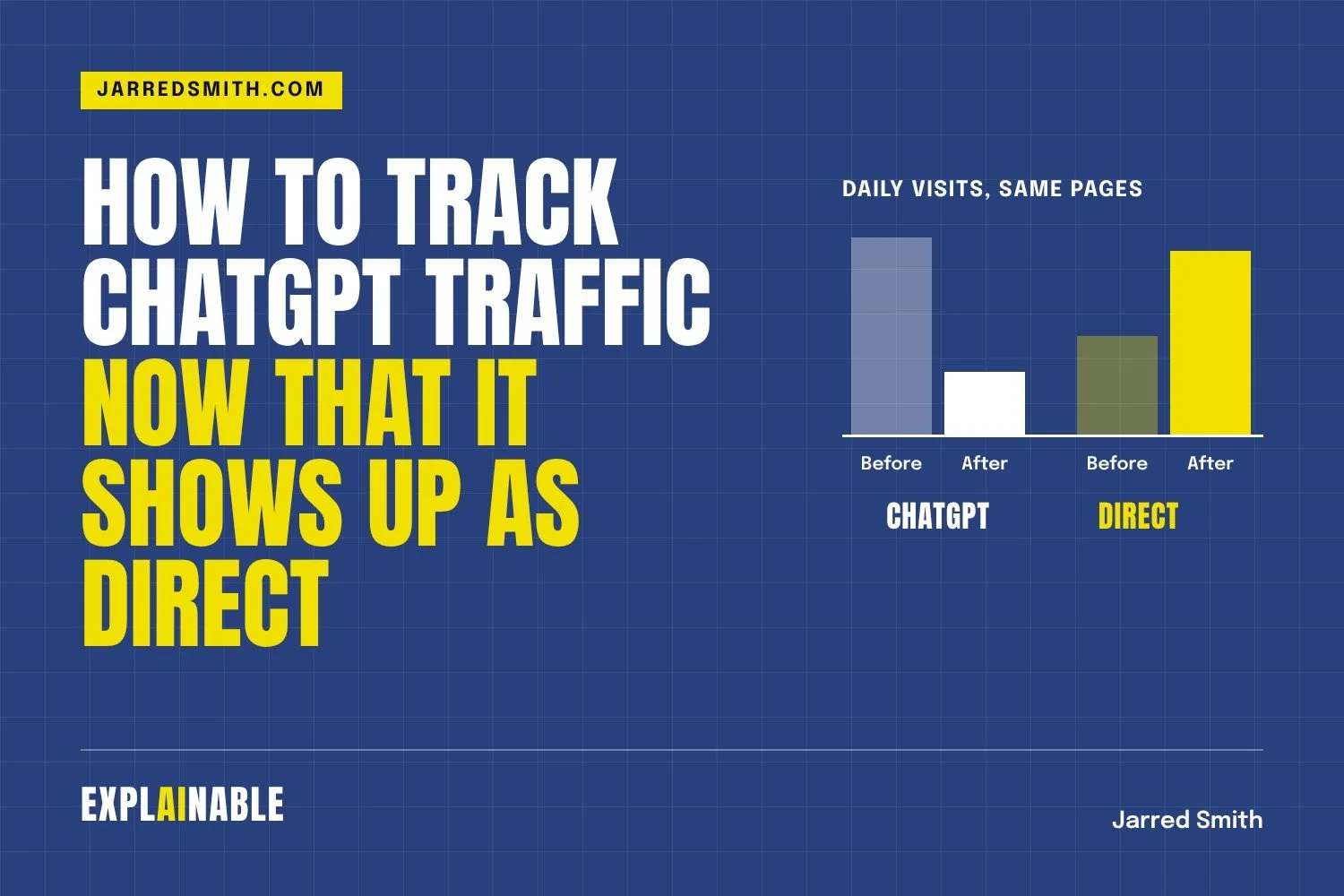
How to Track ChatGPT Traffic Now That Most of It Shows Up as Direct
Since GPT-6 rolled out, ChatGPT links arrive with no UTM tag and no referrer, so analytics files those visits under Direct. Here’s how to track ChatGPT traffic now, and what to measure besides clicks.
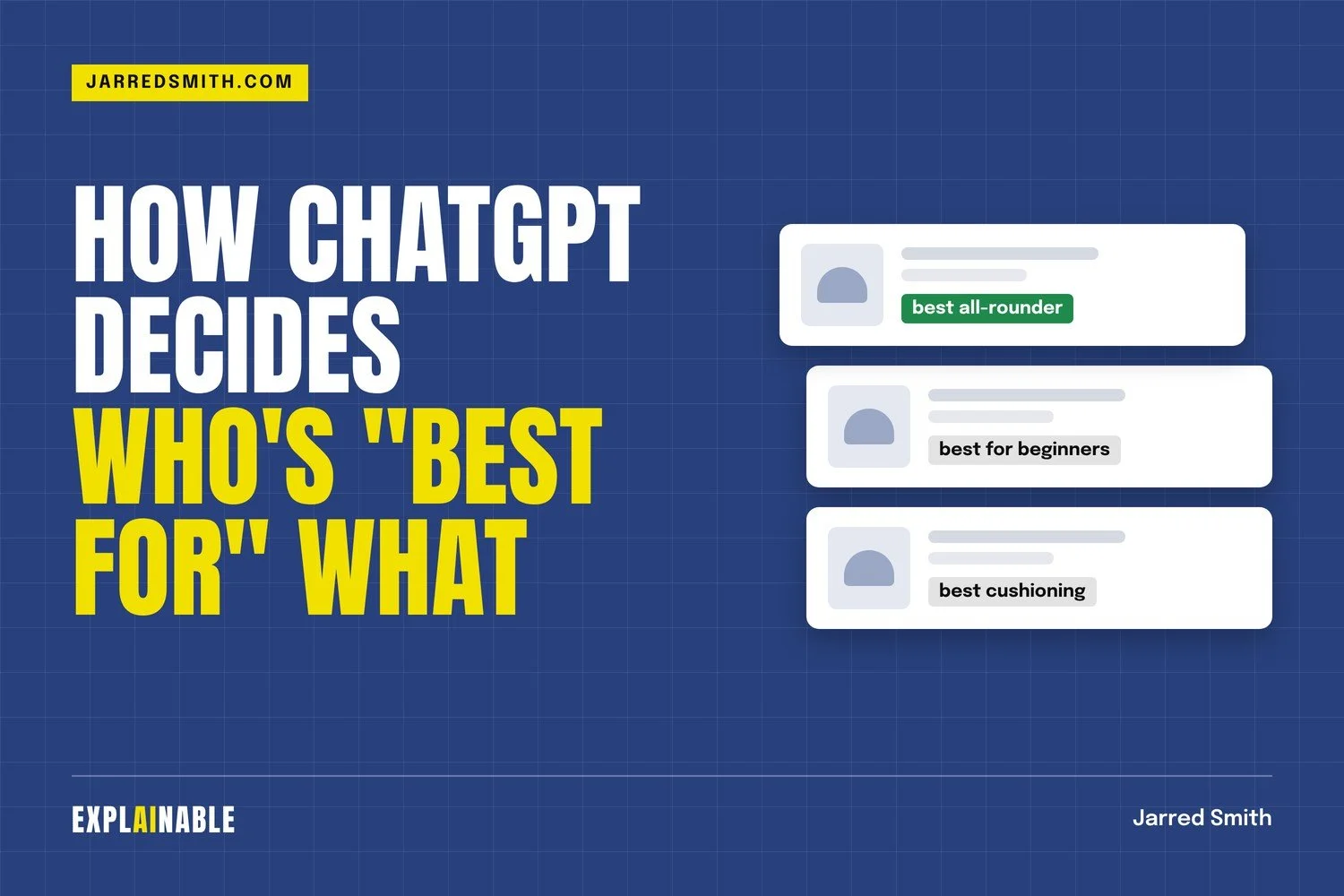
How ChatGPT Recommends Products, and Where Labels Like "Best All-Rounder" Come From
ChatGPT picks products from structured product data plus what it already believes about them, and its new “best for” labels are written from public reviews. A look at how that works and what brand marketers can do about it.
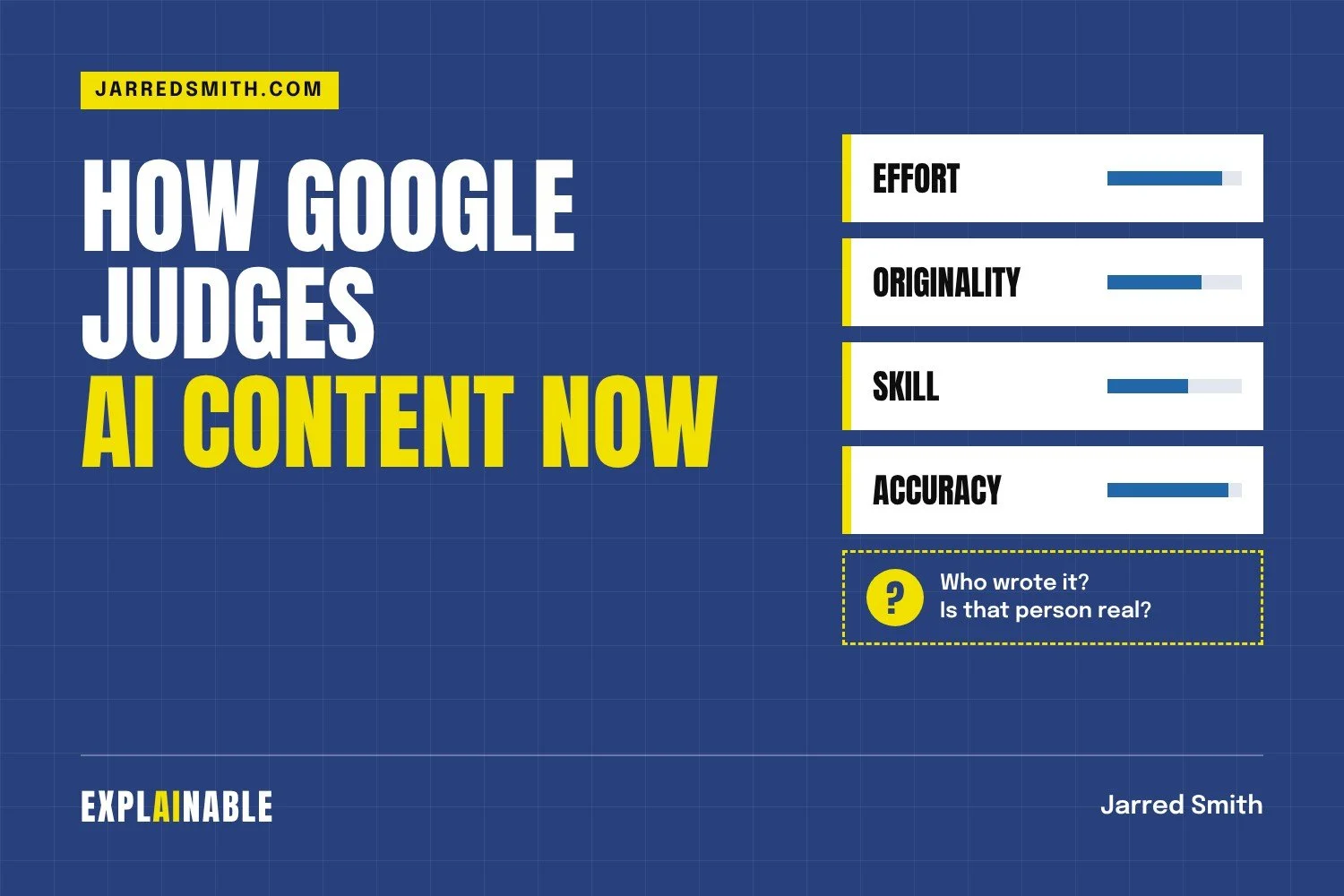
How Google Judges AI-Generated Content Now: Effort, Originality and Who Wrote It
Google’s helpful content guidance now spells out how AI-generated content gets judged: by the human effort behind it, whether it says anything new, and whether the person named as the author is real.
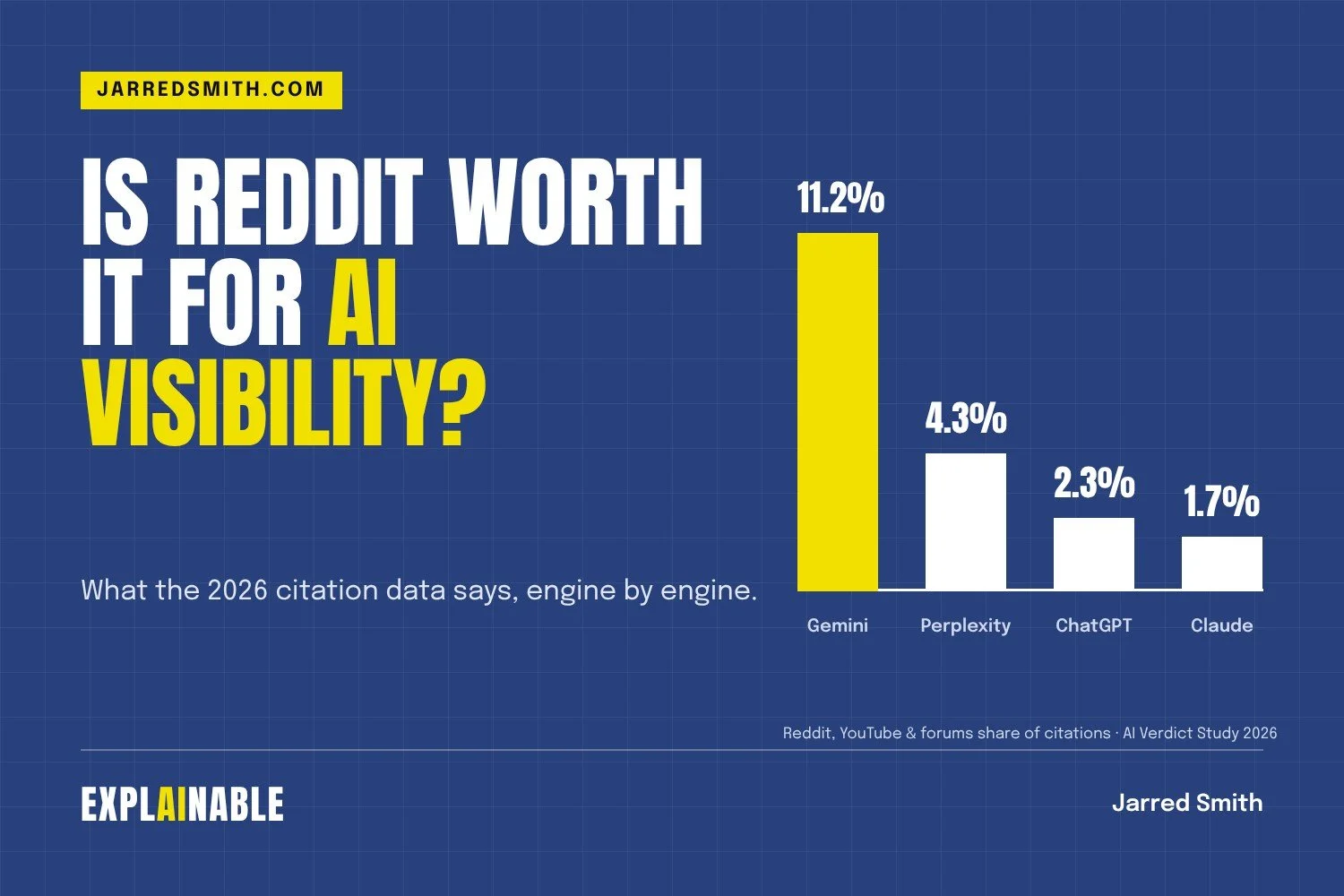
Is Reddit Worth It for AI Visibility? What the Data Says Now
Reddit is closing its RSS feeds and public API, and ChatGPT’s Reddit citations fell 86% in August. Here’s what the data says about Reddit for AI visibility, and how to tell whether it matters in your category.
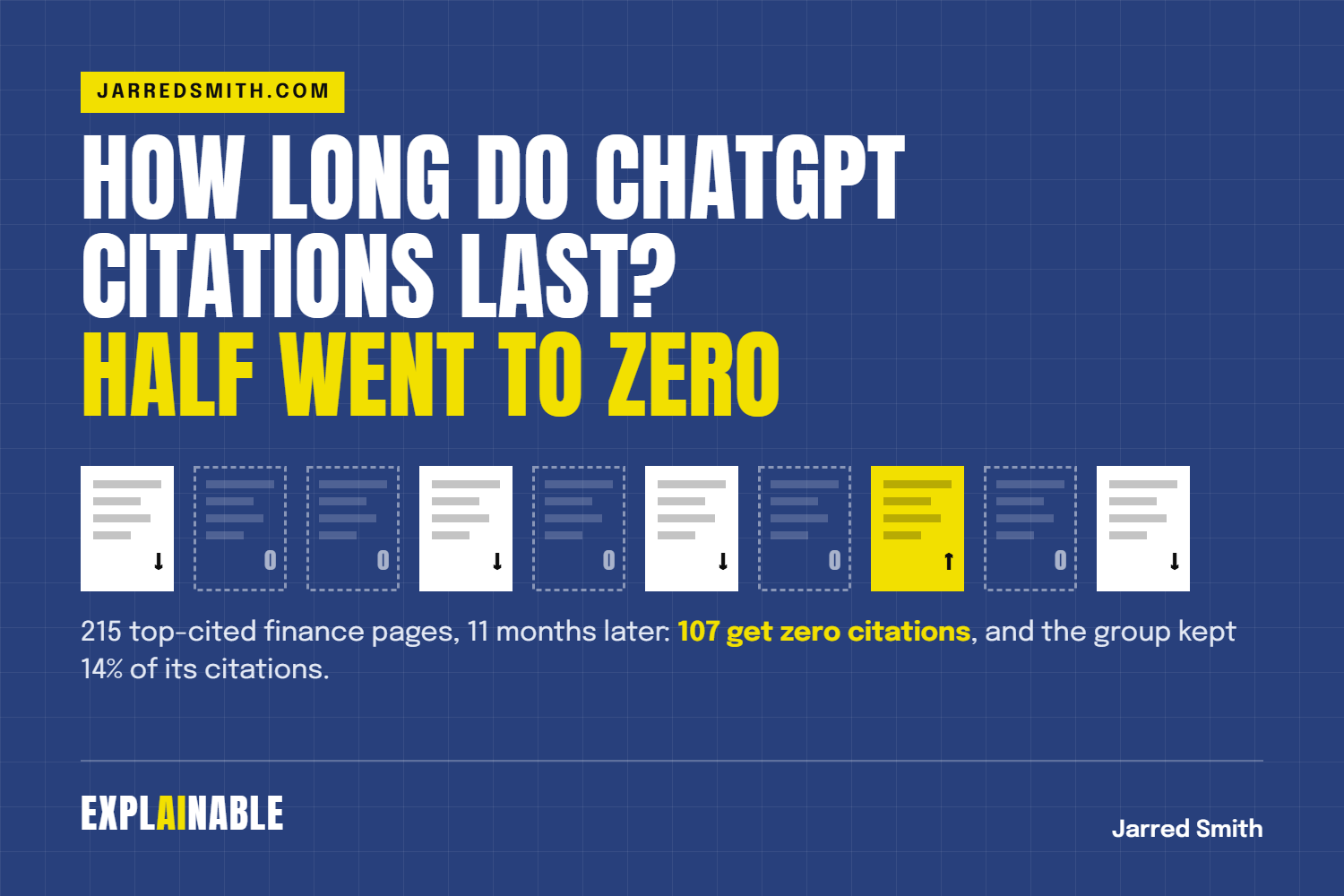
How Long Do ChatGPT Citations Last? Half of Last Year's Top Finance Pages Now Get None
Half of the finance pages ChatGPT cited most in October 2025 get zero citations today, and brand-owned pages took a big share of the slots. Here's what that says about how long ChatGPT citations last and what to do about it.
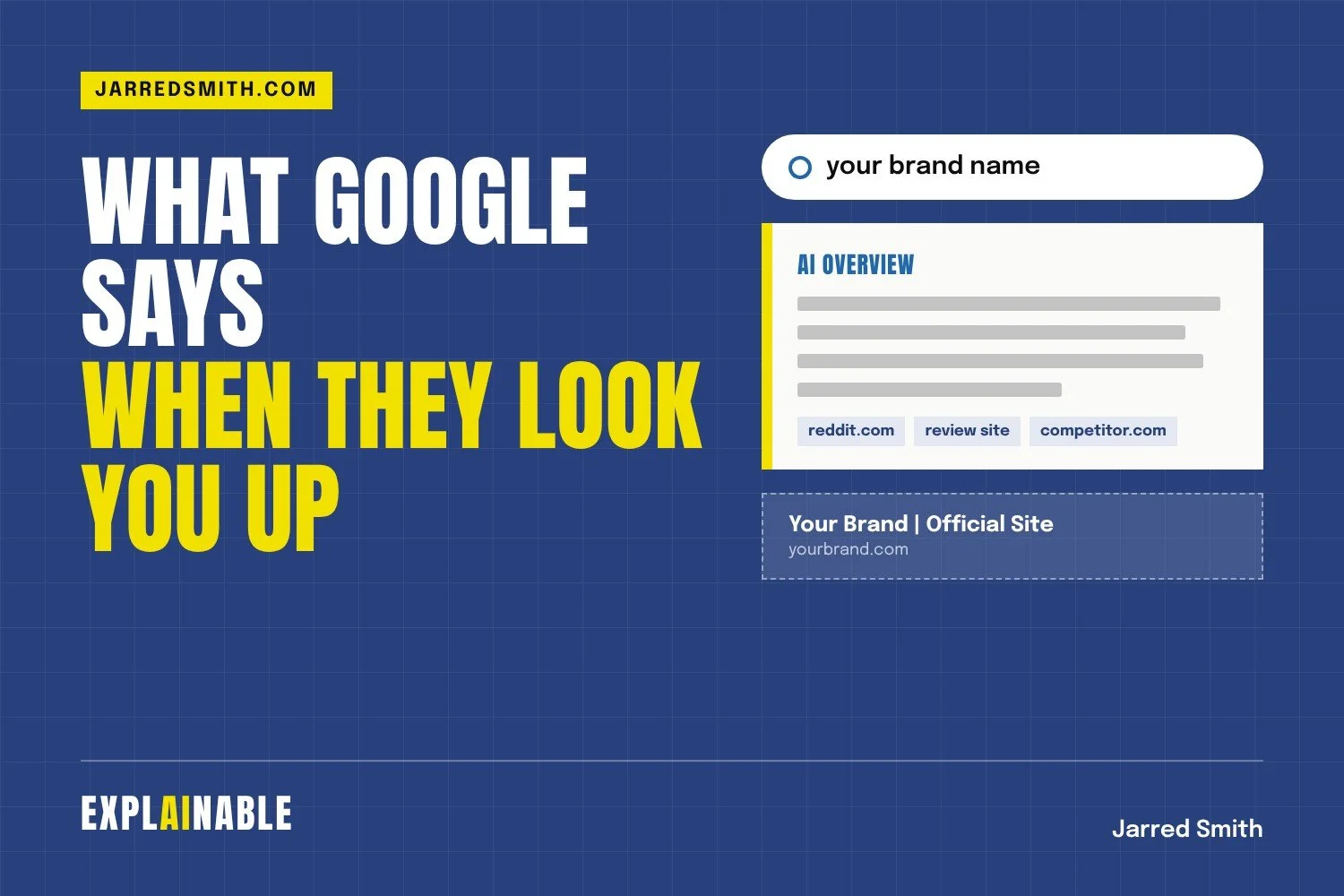
AI Overviews on Branded Searches: What Google Tells People Who Look You Up
Google now shows AI Overviews on most branded searches, so the first thing many people read when they look up your company is Google’s summary of you. Here’s how to check what it says and where it got it.
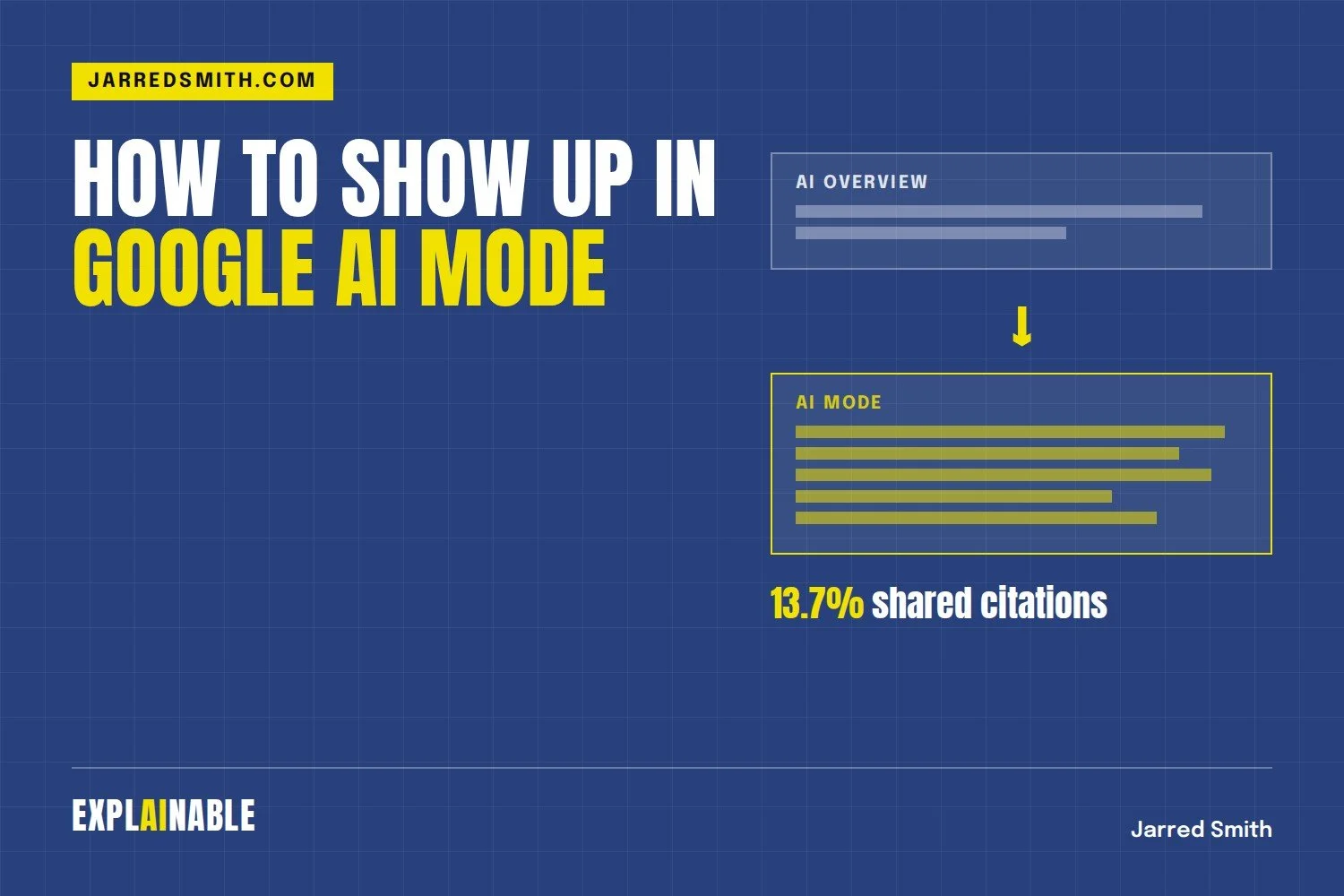
How to Show Up in Google AI Mode Now That Google Is Sending Searchers There
Google is moving more searchers from AI Overviews into AI Mode, and the two cite different pages for the same question. Here’s how to show up in Google AI Mode and how to tell whether you already do.
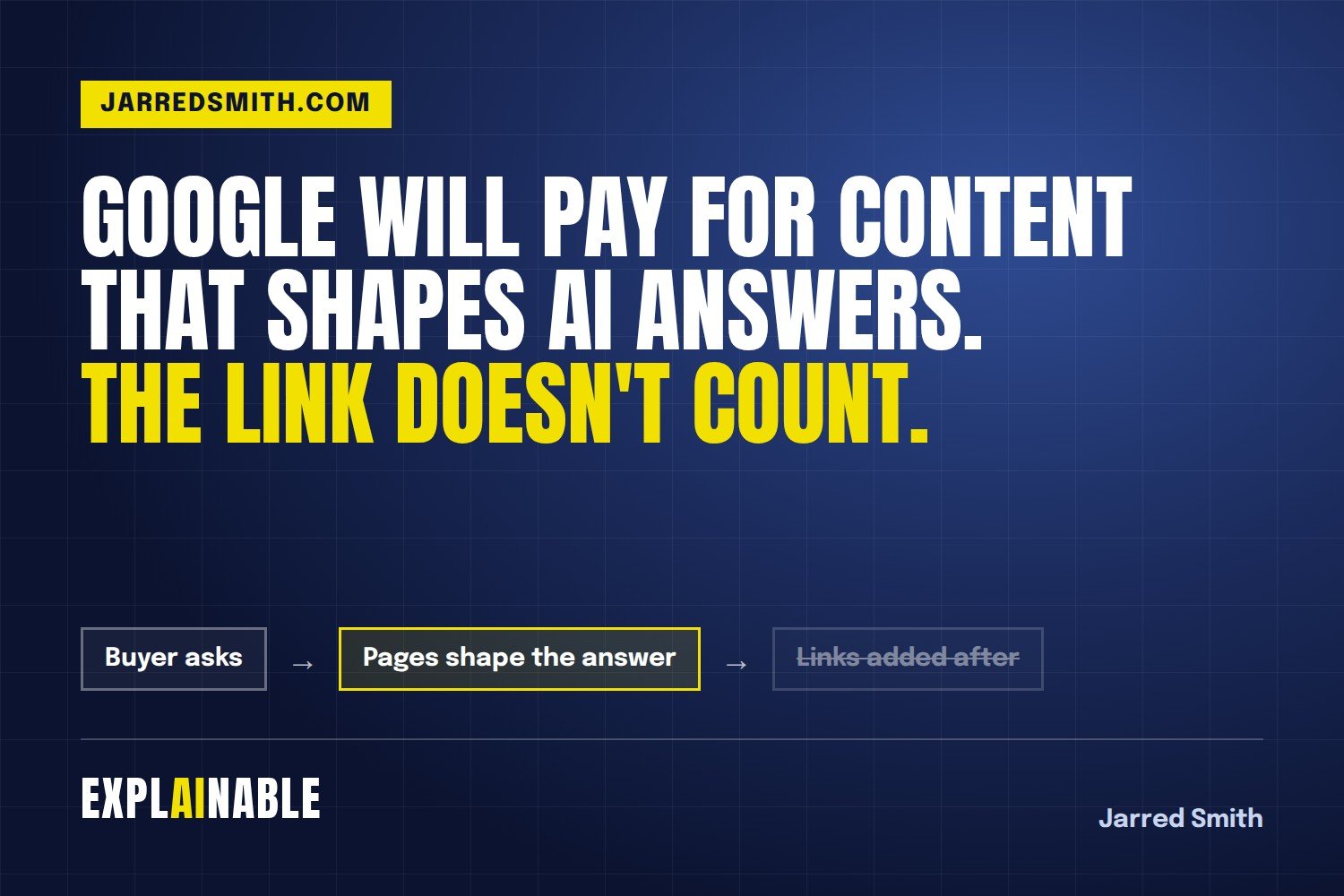
What Google’s AI Contribution Pilot Says About Your Citation Reports
Google is testing payments for content that shapes AI answers, and the fine print says a link added after the answer doesn’t count. That should change how you read your citation reports.
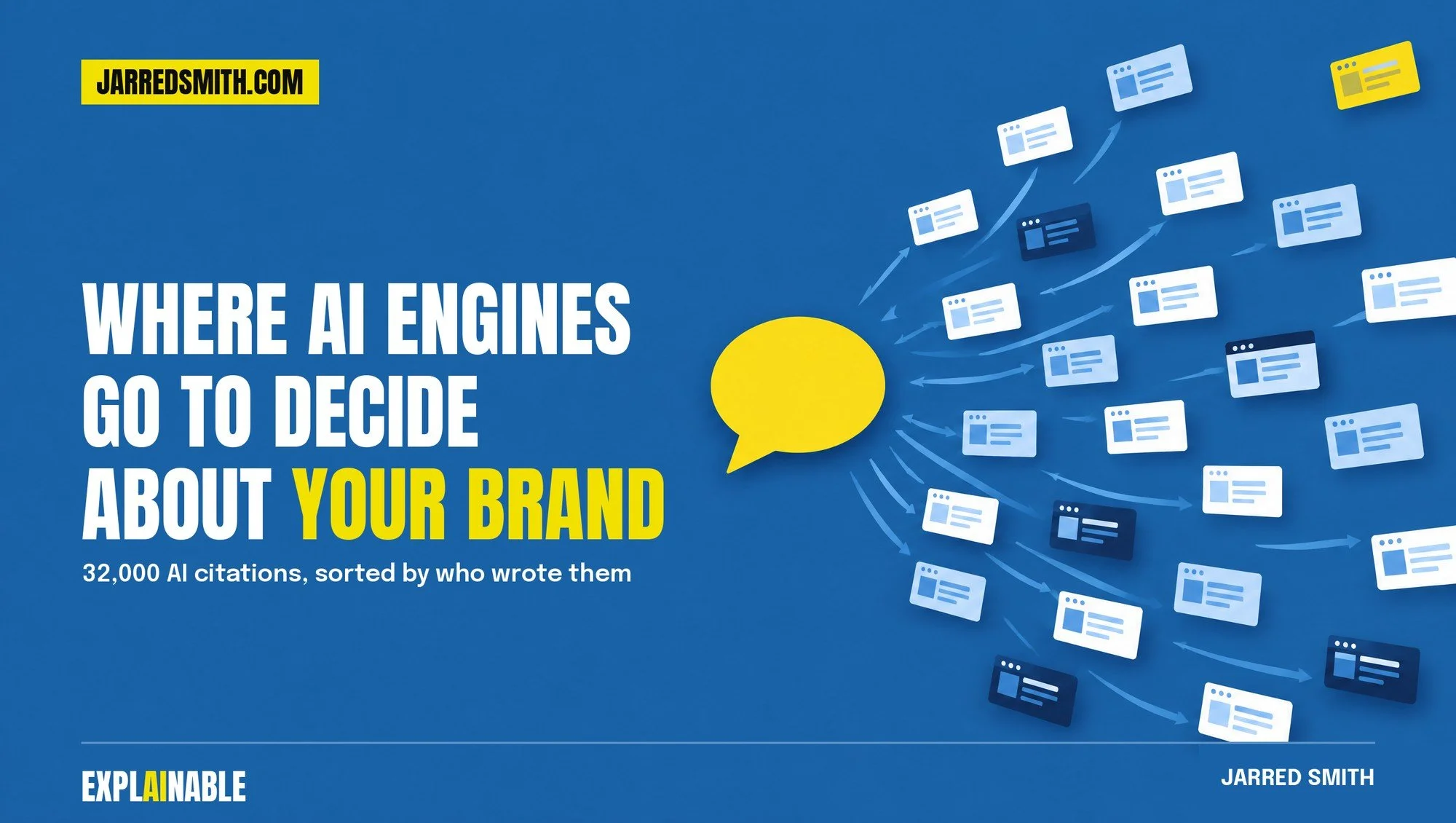
Where AI Engines Go to Decide About Your Brand
I sorted 32,000 citations ChatGPT, Claude, Gemini, and Perplexity gave while advising buyers. Of the ones I could classify, most pointed somewhere other than the brand.
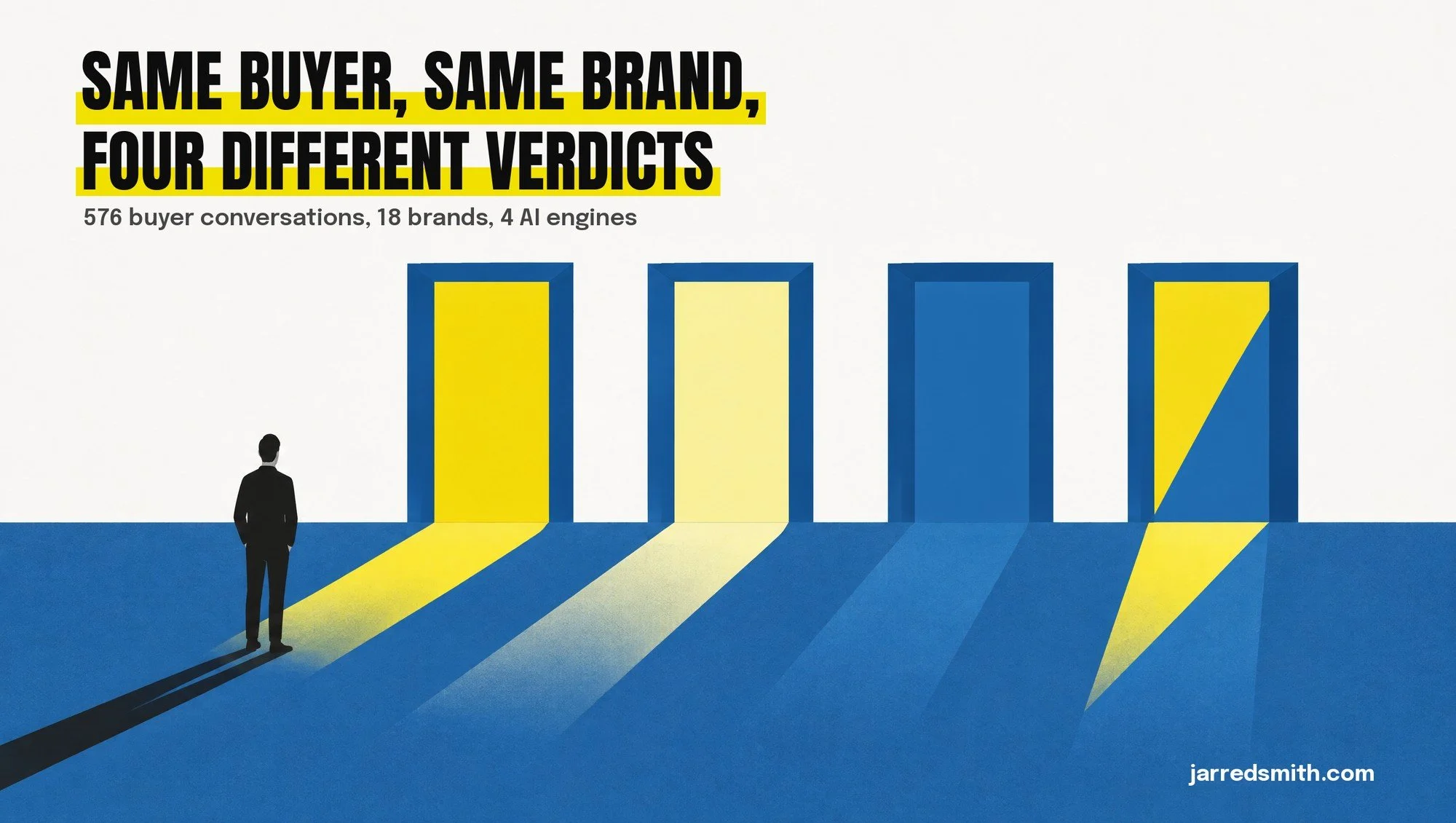
Same Buyer, Same Brand, Four Different Verdicts
I ran 576 simulated buyer conversations across 18 brands and four AI engines. The category leader got rejected twice as often as the challenger, and the answer often depended on the day.
Meta Muse and AI Brand Visibility: How the Agent Buys, What Meta Has That ChatGPT and Gemini Don't
Meta launched Muse on September 8, 2026. A marketer's teardown of how the agent buys, what Meta has that ChatGPT and Gemini don't, why your pixel still fires, and why AI visibility tools can't measure any of it yet.
The Apprentice Cliff: Why AI Is Erasing the Next Generation of Experts
I've done a lot of talks and workshops on AI for marketing teams over the past year or so, and I've noticed something about the Q&A portion that I wanted to write about. A couple of years ago the questions were all about tools. What should we be using? Do you have prompt examples? What's company X doing that we're not? To the extent people were worried, they were sort of worried that a competitor was going to figure this stuff out first.
That's not what people ask me anymore. Now the questions are about jobs, and interestingly, they almost never come up during the session itself. They come afterward when nobody else is around. Is my role going to exist in five years? What am I supposed to tell the 24-year-olds on my team? A couple of people have asked me, and they were serious, whether they should tell their kids not to bother with marketing at all.
How to Read an AI Visibility Study
Every AI visibility study gives a different number, and the honest ones disagree by multiples. Five things that move the number, the reconciled 2026 ranges, and how to pick the figure that applies to you.
The EU's Google Decision Is In, and AI Chatbots Made the List
The EU adopted its Google decision eleven days early. AI chatbots made the eligibility list, search data starts flowing in January 2027, and the two-track AEO world I sketched in June now has dates on it.
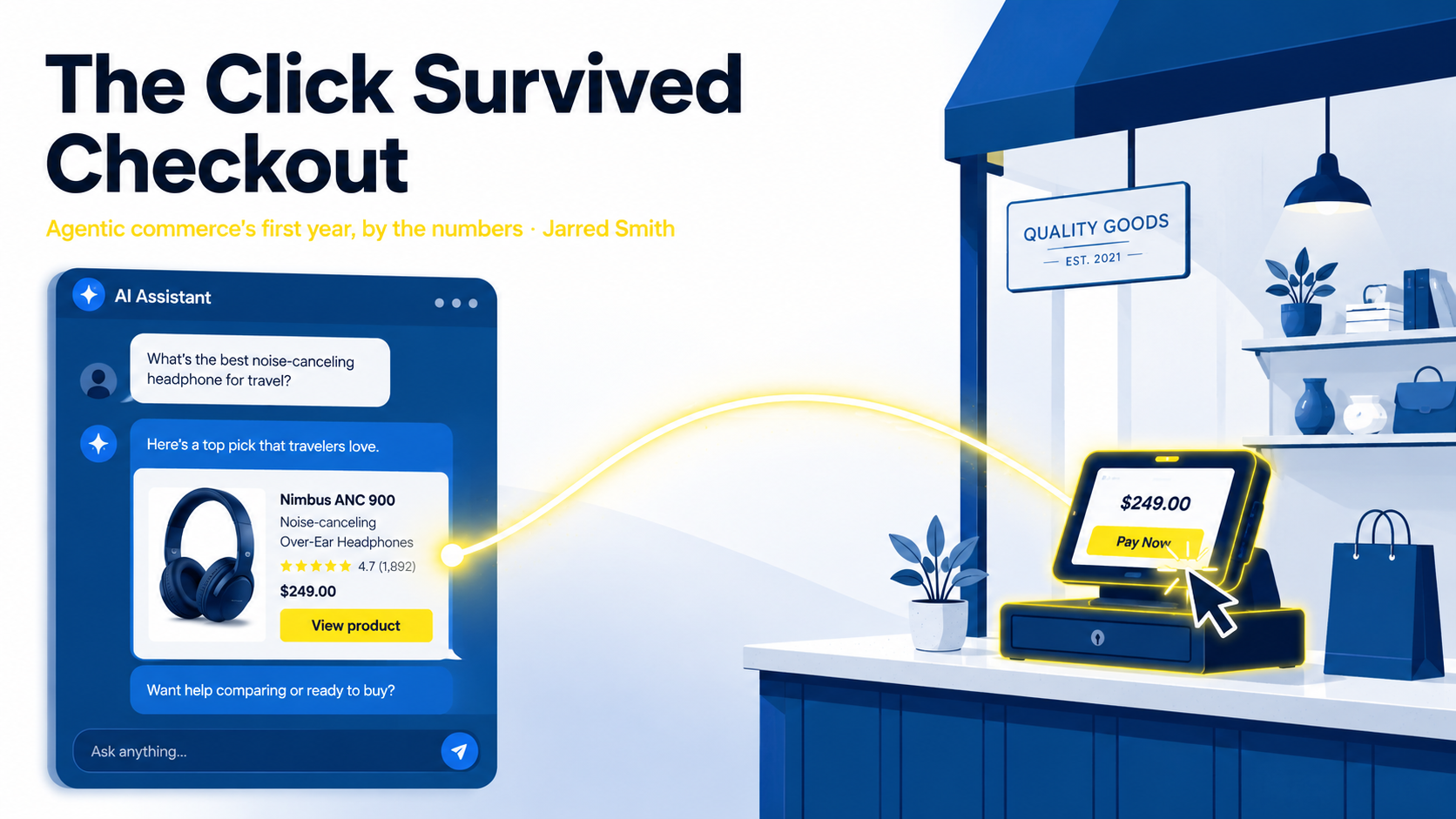
The Click Survived Checkout
In-chat AI checkout stalled in 2026, and Walmart's data shows why: a third the conversion, twice the new customers. The pattern that won is discover in AI, buy on your own site, and it changes what marketers build.
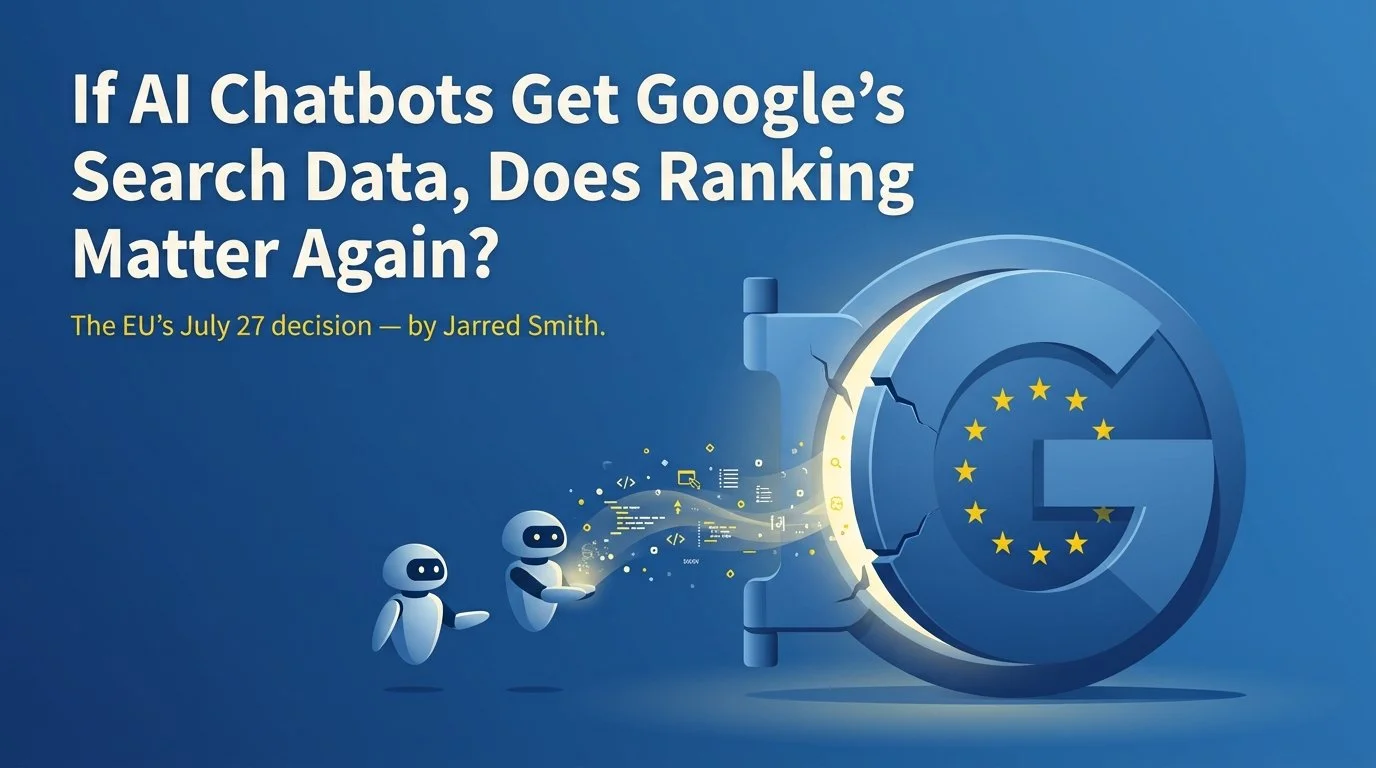
If AI Chatbots Get Google's Search Data, Does Ranking Matter Again?
By July 27 the EU decides whether ChatGPT and Claude can learn from Google's ranking and click data. If they can, the SEO-versus-AI-citation split you've been planning around may partly close, but only in Europe.
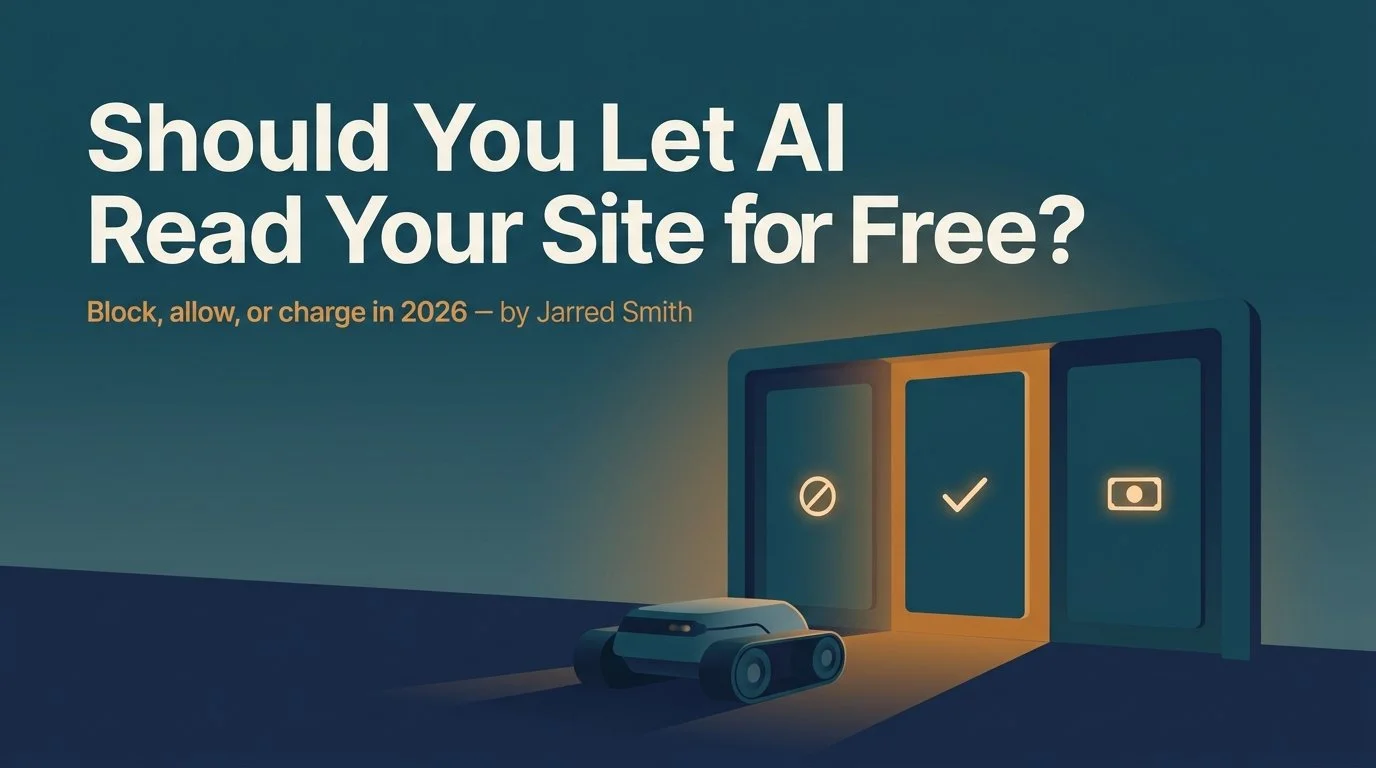
Should You Let AI Read Your Site for Free?
AI bots now outnumber humans on the web, and some crawl 11,000 pages for every visitor they send back. Block, allow, or charge is a real decision in 2026. Here's how to make it without going invisible in AI answers.
Google Just Called Most GEO Tactics Useless. It’s Right, for Exactly One Search Engine.
Google just told the SEO world that GEO tricks like llms.txt and special schema don't work. The data says Google's right, for Google, and the other AI engines are playing an entirely different game.
What ChatGPT’s Self-Serve Ads Manager Means for Organic AI Visibility
OpenAI just opened ChatGPT ads to everyone with no minimum spend. What a month of data says about paid placement, organic citations, and where to put your AEO budget before Q4.